Banking Network Links and Digital Checkout Flows: Ensuring Compliance in Automated US Retail Revenue Handling
Devon Reed · Aug 20, 2026
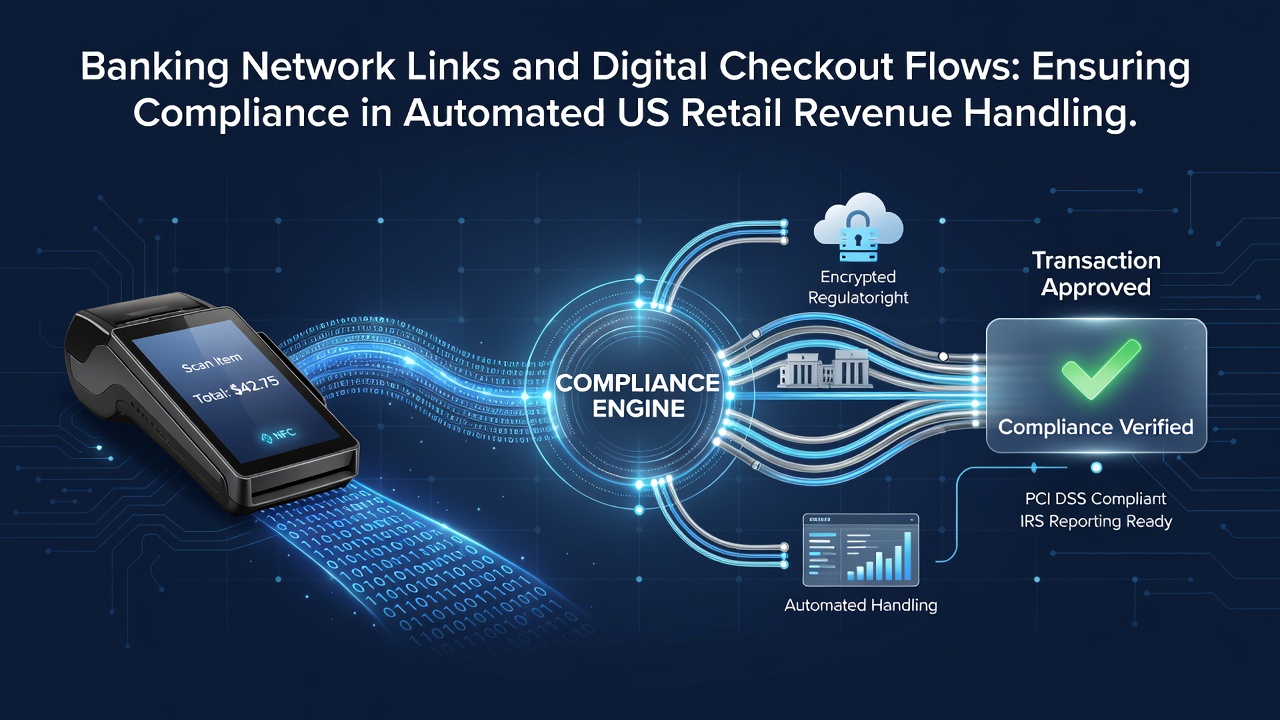
Banking Network Links and Digital Checkout Flows: Ensuring Compliance in Automated US Retail Revenue Handling
Banking network links serve as the backbone for digital checkout flows that manage automated revenue collection across US retail platforms, and these connections must align with regulatory standards set by bodies such as the Federal Reserve and state banking authorities. Retail operators rely on these pathways to process recurring charges while meeting requirements under rules like those outlined in the Electronic Fund Transfer Act and NACHA operating guidelines that govern ACH transactions. Data from payment industry reports indicate that integration points between bank systems and checkout interfaces have grown more complex as platforms adopt real-time verification tools to handle high volumes of automated billing cycles.
Core Components of Network Integration
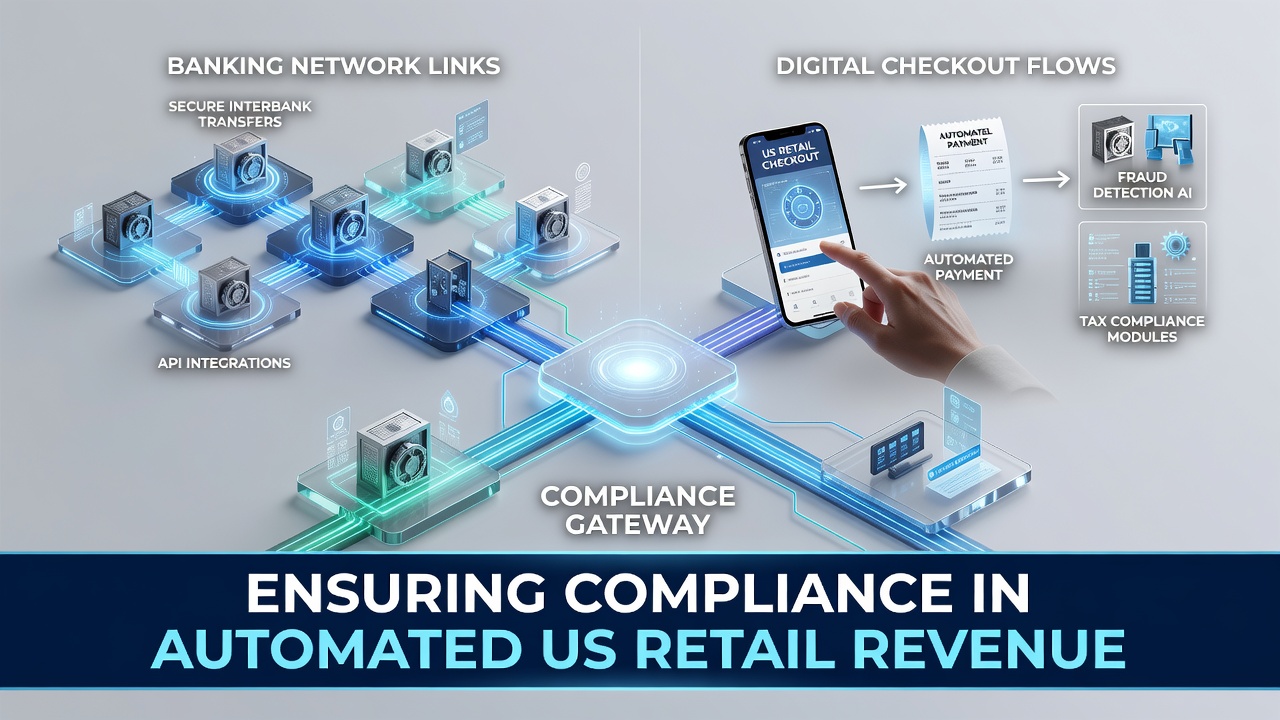
Retail systems connect to banking networks through APIs and secure gateways that transmit transaction data, verify account details, and confirm fund availability before charges post to customer accounts. These links support both credit card rails and ACH channels, allowing merchants to route payments based on cost structures and settlement speed needs. Observers note that verification layers embedded in these networks check for compliance markers such as account ownership and authorization flags, which reduces errors during automated revenue handling. In practice, one study revealed that platforms using synchronized bank feeds experienced fewer rejected transactions compared to those relying on batch processing alone.
Security protocols at these integration points incorporate encryption standards and token-based authentication to protect data in transit, and this setup helps operators satisfy PCI DSS requirements without disrupting checkout speed. Retail chains that maintain direct connections to multiple financial institutions often use routing logic to direct transactions toward the most compliant and efficient path available at the moment of purchase.
Regulatory Requirements Shaping Checkout Flows
US regulations require that automated revenue systems maintain audit trails documenting each step from customer authorization through fund settlement, and these records must remain accessible for review by examiners from agencies including the Consumer Financial Protection Bureau. Compliance mechanisms also address state-level variations in consumer protection statutes that affect how recurring charges appear on statements and how disputes get resolved. Researchers have documented that platforms updating their network links to include enhanced consent capture features saw improved alignment with evolving disclosure rules during the period leading into 2026.
August 2026 marks the scheduled implementation date for certain updates to federal payment system guidelines that emphasize real-time monitoring of high-volume retail flows, and operators are adjusting their digital checkout architectures accordingly to meet these benchmarks. These changes build on existing frameworks by requiring additional data sharing between banks and retail platforms for fraud pattern analysis while preserving consumer privacy protections.
Operational Practices Across Retail Segments
Supermarket chains and e-commerce merchants have adopted modular checkout designs that allow quick swaps between different banking partners when compliance thresholds shift, and this flexibility supports uninterrupted revenue collection even during network maintenance windows. Case examples show mid-sized retailers integrating secondary verification services that cross-reference transaction details against banking channel data before final authorization occurs. Such steps help maintain consistent performance metrics while satisfying reporting obligations tied to automated deduction systems.
Payment volume statistics released by industry associations reveal steady growth in the share of retail revenue processed through these linked networks, particularly in categories involving subscription-style billing for physical goods and digital services. Operators who coordinate their systems with bank-provided compliance dashboards report streamlined reconciliation processes that align daily totals with regulatory reporting formats required by federal and state overseers.
Future Developments in Network Alignment
Emerging standards from organizations such as the Bank for International Settlements highlight the value of standardized messaging formats that improve interoperability between US banking networks and retail platforms. These formats support richer data payloads that carry compliance metadata alongside transaction amounts, enabling automated checks against sanctions lists and account status updates in a single flow. Retail technology providers are testing these capabilities in pilot programs that connect directly to FedNow services for faster settlement of automated charges.
Academic analyses from institutions studying payment systems indicate that tighter integration between banking channels and checkout software correlates with lower rates of compliance incidents across sampled US retail operations. Platforms continue to refine their architectures to accommodate new data fields introduced by network operators, ensuring that automated revenue handling remains both efficient and aligned with current oversight expectations.
Conclusion
Banking network links and digital checkout flows together form an infrastructure that supports compliant automated revenue handling for US retail operators, and ongoing adjustments to these connections reflect regulatory timelines and technological capabilities. Retail participants who maintain up-to-date integrations position their systems to process transactions while meeting documentation and verification standards set by relevant authorities. As implementation dates such as August 2026 approach, the emphasis remains on precise alignment between financial service providers and retail platforms to sustain secure, efficient operations.