Integrating Bank Network Transfers with Authorization Systems to Mitigate Fraud in Digital Membership Programs
Jakob Russell · Aug 25, 2026
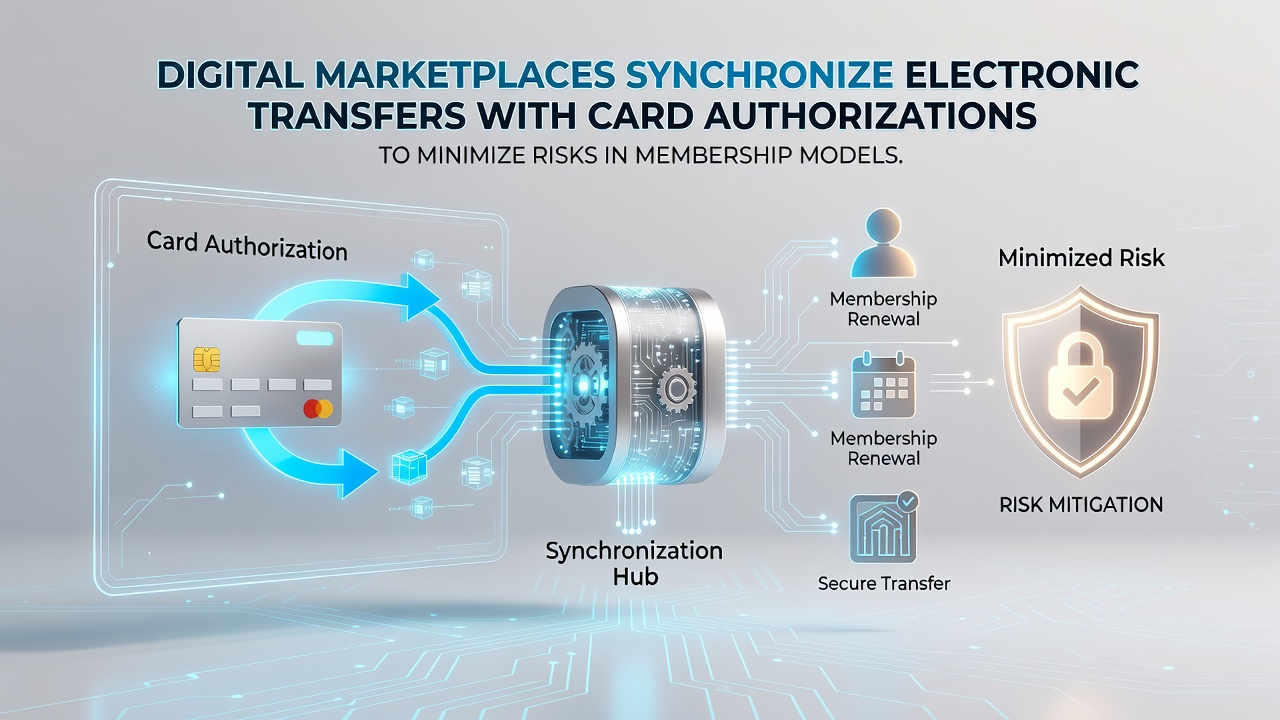
Integrating Bank Network Transfers with Authorization Systems to Mitigate Fraud in Digital Membership Programs
Digital marketplaces coordinate electronic funds transfers such as ACH debits with real-time card authorization checks to limit exposure in recurring membership billing, and this coordination relies on layered verification steps that activate before each charge cycle completes. Platforms establish these connections through payment gateways that query both banking networks and card issuers simultaneously, which allows operators to flag inconsistencies in account status or available balances while the authorization request remains open.
Core Synchronization Mechanisms
Operators initiate the process by tokenizing card details at signup, then they link those tokens to verified bank account routing data so that subsequent billing attempts cross-reference both sources before funds move. When a membership renewal approaches, the system sends a pre-authorization request to the card network while it simultaneously schedules an ACH pull, and this dual-path approach catches declined cards or insufficient funds early because the card issuer response arrives within seconds whereas the bank transfer confirmation follows within one to two business days. Data from industry reports shows that platforms using this method reduce failed transaction rates by cross-checking identifiers such as account name and address against issuer records before the ACH file transmits.
Researchers at academic institutions have documented how these integrated flows operate across large subscription services, and one study revealed that synchronization layers inserted between the checkout flow and the banking channel cut chargeback volumes noticeably when membership models scaled beyond ten thousand active accounts. The timing matters because card authorizations hold funds temporarily, giving operators a window to cancel or adjust the pending ACH debit if the card response signals elevated risk indicators such as velocity alerts or mismatched billing addresses.
Risk Reduction in Recurring Billing
Membership platforms apply these synchronized checks most effectively during high-volume renewal periods, where automated rules compare recent transaction history from both card and bank channels to identify patterns that precede fraud. For instance, when a card authorization returns a soft decline code while the linked bank account shows recent large withdrawals, the system withholds the ACH submission and triggers manual review instead. Observers note that this sequence prevents duplicate or unauthorized deductions that often generate disputes, and it aligns with broader compliance expectations outlined in payment network operating rules updated periodically by card associations.
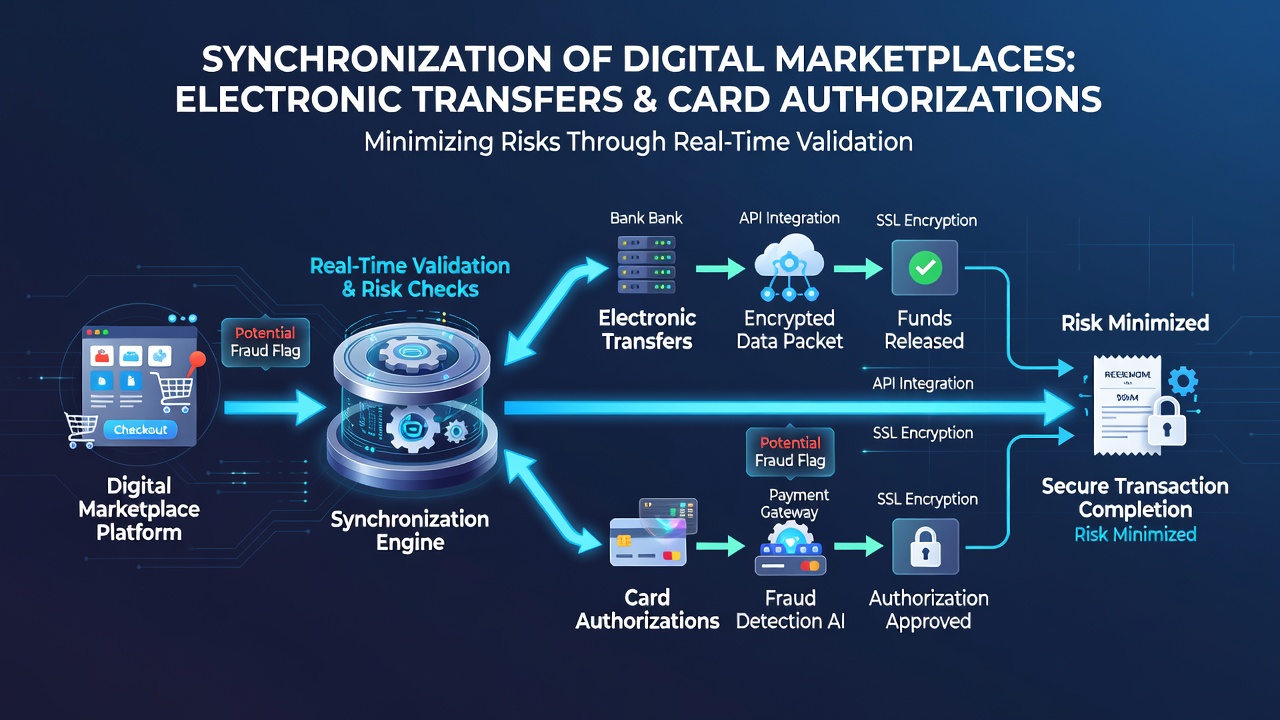
Regulatory developments scheduled for release in August 2026 from multiple oversight bodies are expected to emphasize tighter timing requirements between authorization responses and funds movement, which will push more platforms to refine their gateway configurations. In practice, marketplaces that already maintain real-time connections between their merchant accounts and both ACH operators and card processors report fewer interruptions because the dual verification catches discrepancies before they reach settlement stages. Those who've studied implementation across US-based services find that combining address verification service results from card issuers with bank account validation APIs creates a stronger baseline for recurring revenue streams.
Technical Integration Examples
One documented case involves a digital content platform that embedded conditional logic in its billing engine so that an approved card authorization automatically releases the ACH batch file, whereas a declined or pending authorization pauses the bank transfer for up to seventy-two hours. This approach draws on gateway features that support partial authorization and subsequent reversal, and it has allowed operators to maintain compliance with network mandates while keeping membership access uninterrupted for legitimate users. External data from sources such as the Federal Trade Commission payment reports and the European Central Bank oversight documents indicate that synchronized systems contribute to lower dispute ratios across subscription sectors when applied consistently.
Additional safeguards include velocity checks that span both card and ACH activity within defined windows, which prevent rapid successive attempts that fraudsters often test against membership portals. Platforms further enhance these controls by requiring re-verification of bank details whenever a card token shows inactivity beyond a set threshold, thereby closing gaps that could allow account takeover attempts to succeed undetected. The result appears in reduced operational overhead because fewer manual interventions occur once the initial synchronization rules stabilize across the payment stack.
Conclusion
Digital marketplaces continue to refine the alignment between electronic transfers and card authorizations as membership volumes grow, and the techniques center on sequential verification steps that leverage the speed of card networks alongside the reliability of bank channels. Observers tracking these developments note that ongoing updates to network rules and regulatory timelines will likely accelerate adoption of tighter integration standards, which in turn supports more stable recurring billing environments for operators and users alike.