Retail Analytics Derived From Gateway Data to Enhance Billing Accuracy and Compliance for American E-commerce Operators
Uma Reed · Aug 11, 2026
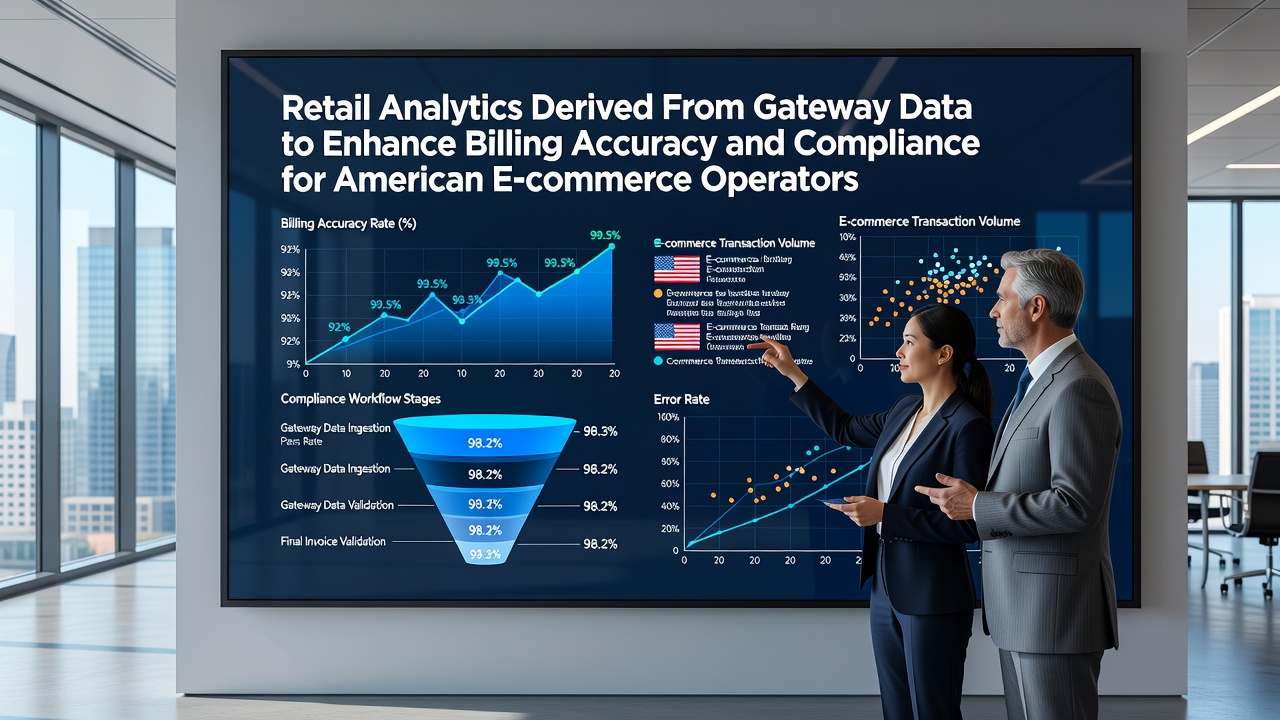
Retail Analytics Derived From Gateway Data to Enhance Billing Accuracy and Compliance for American E-commerce Operators
Payment gateways generate extensive transaction records that include authorization attempts, decline codes, settlement times, and customer identifiers, and American e-commerce operators extract structured analytics from these streams to verify that recurring and one-time charges align with agreed terms while satisfying federal and state regulations. Data flows from gateways into centralized repositories where algorithms compare expected billing amounts against actual captured funds, flagging variances that exceed predefined thresholds before statements reach customers.
Data Elements Captured at the Gateway Layer
Transaction logs record merchant identifiers, card types, response codes from issuing banks, and timestamps for each authorization request, and operators combine these fields with inventory systems to confirm that billed quantities match shipped goods. Additional attributes such as AVS results and CVV verification outcomes feed into accuracy models that detect address mismatches or repeated failed attempts, which often precede unintended overcharges. Observers note that aggregation across multiple gateways allows comparison of processing fees and success rates, revealing patterns that affect net revenue calculations used in tax filings.
Analytical Techniques Applied to Billing Records
Clustering methods group similar transaction profiles so that anomalies in subscription renewals stand out against baseline behavior, while regression models predict the probability that a given charge will require reversal. Time-series analysis tracks daily capture rates against authorization volumes, highlighting delays that could violate state prompt-billing statutes. Those who manage large catalogs often integrate gateway outputs with ERP platforms, producing dashboards that display real-time variance percentages and automated alerts when cumulative discrepancies approach regulatory reporting limits.
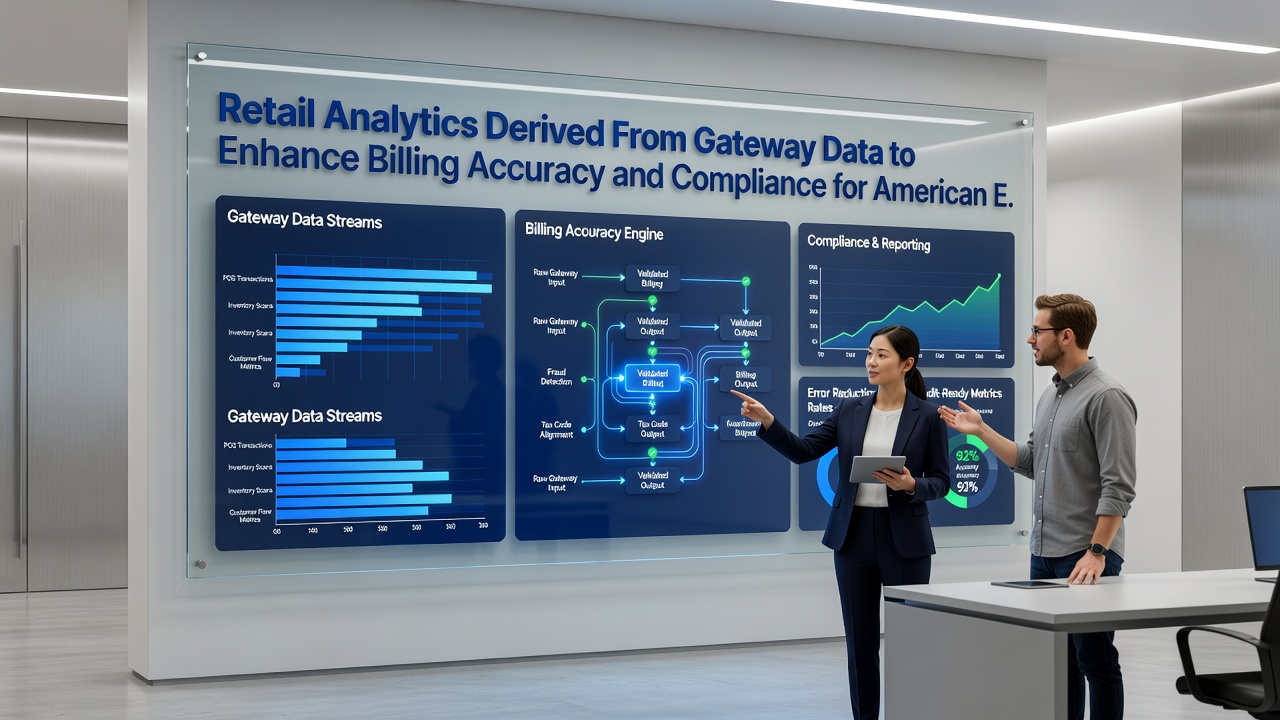
Compliance Mapping Through Transaction Intelligence
Federal Trade Commission guidelines require accurate representation of recurring charges, and gateway-derived metrics supply the documentation needed to demonstrate that customers received proper notice and authorization. FTC resources outline disclosure standards that operators verify by cross-referencing gateway consent timestamps with marketing records. State-level sales-tax rules further demand precise jurisdictional assignment of each transaction, which location data embedded in gateway headers helps automate. Payment Card Industry Data Security Standards audits rely on the same logs to confirm that cardholder data remains segmented and access events are logged, reducing the scope of potential breaches during annual assessments.
Operational Integration for Mid-Sized Retailers
Retailers processing between ten thousand and one hundred thousand monthly orders typically route gateway exports through secure APIs into business-intelligence tools, where custom scripts reconcile billed amounts with order-management entries. One implementation at a consumer-electronics vendor matched gateway settlement files against warehouse shipment confirmations, cutting post-capture adjustments by aligning invoice dates with actual delivery windows. Another operator serving subscription boxes used decline-reason analytics to adjust retry logic, lowering involuntary churn while preserving compliance with automatic-renewal disclosure statutes. These integrations operate continuously, with scheduled exports that coincide with monthly close cycles so that financial statements reflect reconciled figures.
Developments Observed by August 2026
By August 2026, several gateway providers had expanded real-time data feeds to include tokenized account-updater notifications, allowing operators to refresh stored credentials before scheduled renewals and thereby reducing failed billing events that trigger consumer complaints. Enhanced API endpoints now deliver granular fee breakdowns segmented by card brand and transaction type, which accounting teams incorporate into cost-of-goods calculations submitted to state revenue departments. Industry reports indicate that adoption of these enriched feeds among mid-market platforms increased following updates to consumer-protection rules that placed stricter emphasis on transparent fee pass-through disclosures.
Conclusion
Gateway data serves as a primary input for retail analytics that measure billing fidelity and regulatory adherence, and operators who structure these flows into repeatable reporting cycles gain measurable improvements in accuracy metrics. Continued refinement of data schemas and integration standards supports ongoing alignment between transaction records and compliance obligations across American e-commerce operations.