Retail Platform Checkouts and Banking Protocol Integration for Subscription Accuracy
Jakob Russell · Nov 4, 2026

Retail Platform Checkouts and Banking Protocol Integration for Subscription Accuracy
Retail platforms manage subscription checkouts through direct connections to banking networks that enforce standardized deduction rules, and these connections rely on protocols maintained by organizations such as NACHA along with federal oversight from the Federal Reserve. Data from payment processors shows that subscription billing volumes in the United States reached record levels by late 2025, with automated deductions processed through aligned systems that verify account status before each cycle begins.
Core Mechanisms in Checkout Alignment
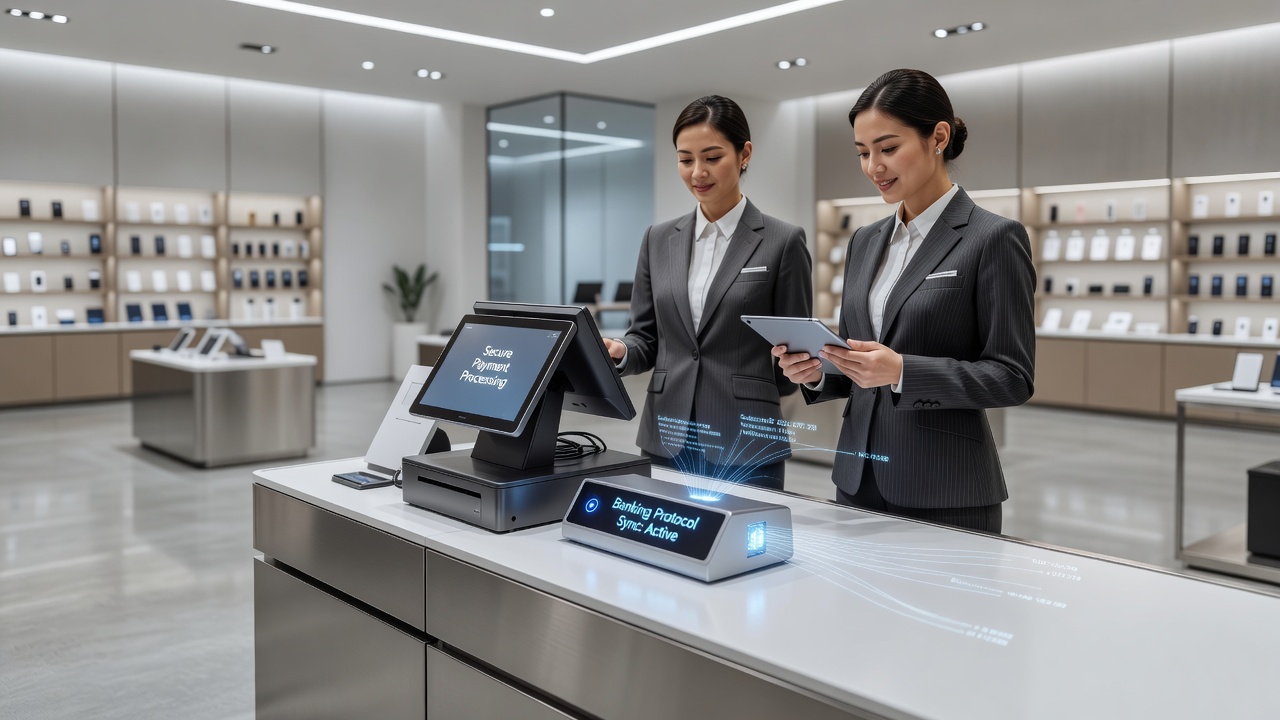
Checkout flows on retail sites collect payment details once, then route them through gateways that map to banking channels using secure identifiers rather than raw account numbers, and this mapping reduces errors during recurring charges. Observers note that platforms synchronize with bank feeds to confirm available balances and authorization status, while token systems replace sensitive data so that subsequent deductions occur without repeated customer input. Research from payment industry reports indicates that such alignments cut failed transaction rates by matching deduction schedules to banking cutoff times.
Role of Verification Layers
Verification occurs at multiple points in the subscription lifecycle, starting at initial signup where platforms query banking networks for account validity, and continuing through each billing date when systems cross-check against real-time ledger updates. Those who manage retail operations often see that protocols require retry logic aligned with bank return codes, allowing platforms to distinguish between temporary holds and permanent declines. Figures from the Federal Reserve reveal steady growth in automated clearing house volume tied to subscription services, with November 2026 projections showing further increases as more platforms adopt synchronized feeds.
Platforms incorporate fraud detection that draws on banking data feeds to flag unusual patterns, such as sudden address changes or mismatched device signals, before authorizing the first deduction. This integration lets systems apply velocity checks that mirror bank-side limits, and it prevents over-drafting by confirming funds before submission. Studies from academic sources like those published through the Bank for International Settlements highlight how coordinated verification reduces chargeback volumes across recurring payment streams.
Handling Recurring Deductions Across Networks
Once initial setup completes, platforms schedule deductions according to banking calendars that account for weekends and holidays, and this scheduling relies on protocol rules that standardize settlement windows. Retail operators coordinate with processors to receive notification files that detail successful transfers or returns, enabling quick updates to customer records. Evidence from transaction logs demonstrates that aligned systems achieve higher accuracy rates when they mirror bank reconciliation processes exactly.
Subscription models in sectors like software services and consumer goods benefit from these alignments because they support variable pricing without manual intervention, and gateways adjust deduction amounts while preserving the original authorization tokens. Data indicates that platforms using these methods experience fewer interruptions in revenue streams, since banking protocols provide clear pathways for handling partial payments or prorated charges.
Security Standards Supporting the Process
Encryption standards and access controls form the backbone of these connections, with platforms required to meet criteria that match banking network specifications for data protection. Observers point out that tokenization extends beyond the first transaction to cover every recurring event, shielding account details throughout the subscription duration. Regulatory guidance from bodies such as the Office of the Comptroller of the Currency outlines expectations for maintaining these secure links, and compliance audits verify that deduction accuracy meets established thresholds.
Case examples from major retail platforms show that when checkouts integrate directly with banking protocols, subscription renewals proceed with minimal customer friction while still satisfying audit requirements. This approach allows systems to apply the same verification steps used in one-time purchases to recurring ones, creating consistency across transaction types.
Conclusion
Retail checkouts achieve accurate subscription deductions by embedding banking protocol requirements into every stage of the payment flow, from initial capture through ongoing processing and reconciliation. These alignments rely on standardized data exchanges that support both security and operational efficiency, and they continue to evolve alongside updates from federal and industry oversight groups. Platforms that maintain these connections position themselves to handle growing subscription volumes with reduced discrepancies and sustained compliance.