Subscription Revenue Pathways: How US Merchants Link Bank Networks Directly to Digital Checkouts for Automated, Compliant Repeat Billing
Parker Butler · Nov 18, 2026
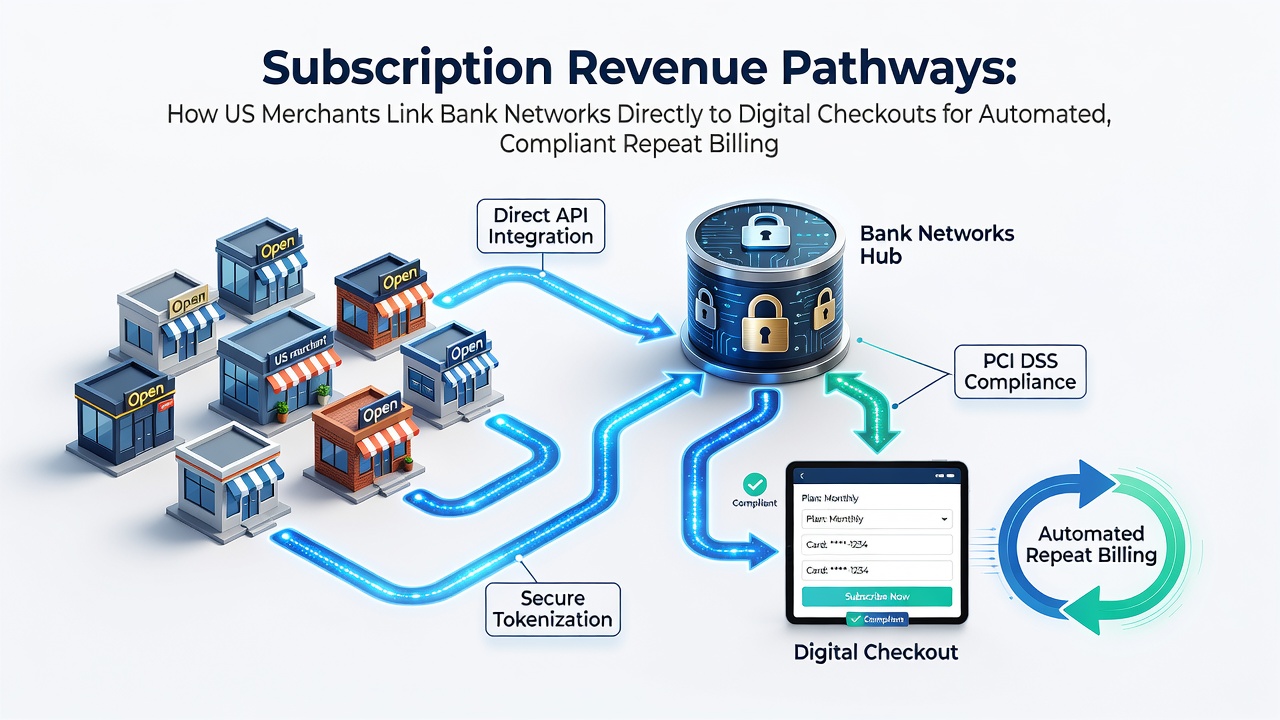
Subscription Revenue Pathways: How US Merchants Link Bank Networks Directly to Digital Checkouts for Automated, Compliant Repeat Billing
US merchants have developed direct connections between bank networks and digital checkout systems to support automated recurring billing while meeting compliance standards, and these pathways rely on established ACH infrastructure alongside modern integration tools that handle repeat charges without manual intervention each cycle. Data from the Federal Reserve shows ACH transactions reached 29.6 billion in volume during 2025, with a growing share tied to subscription models across retail and service sectors. Those connections allow platforms to pull funds on scheduled dates, and compliance layers such as Regulation E disclosures plus NACHA operating rules guide every step to protect both merchants and customers.
Direct Bank Network Integration Mechanics
Merchants establish secure links by embedding bank routing details into checkout APIs that communicate with the ACH network operated by NACHA, and this setup bypasses card networks for many recurring payments because ACH fees average 0.5 percent or less compared with 2 to 3 percent for cards. Systems pull customer bank account information once during initial enrollment, then store it through tokenization methods that replace sensitive data with unique identifiers, and automated triggers execute charges on billing dates while verification steps confirm account status in advance. Observers note that platforms built on major e-commerce frameworks now include pre-built modules for these bank feeds, which reduces setup time and maintains separation between one-time purchases and subscription flows.
Compliance Requirements in Automated Billing Cycles
Automated repeat billing must align with federal rules including the Electronic Fund Transfer Act and state-level consumer protections, and merchants satisfy these by providing clear authorization forms plus revocation options that customers can exercise at any time. As of November 2026, updates to NACHA rules mandate enhanced notice periods for certain high-value recurring entries, requiring merchants to send notifications at least seven days before each charge when amounts vary, and this change affects subscription services that adjust pricing based on usage. Research from the Bank for International Settlements indicates that jurisdictions with similar real-time notification standards report lower dispute rates, and US operators have adopted parallel practices to maintain network access privileges.
Case Examples from Retail Platforms
One subscription service provider integrated direct bank feeds into its checkout flow during 2024, resulting in ACH adoption for 62 percent of recurring customers according to internal transaction logs, while another platform handling digital goods reported a 40 percent drop in failed payments after switching from card-only processing to combined ACH options. Those who've studied these implementations find that early verification of account ownership through micro-deposit tests or instant bank authentication tools cuts initial fraud attempts, and ongoing monitoring flags unusual patterns such as rapid address changes paired with new payment profiles. Industry reports compiled by the National Automated Clearing House Association document how these layered checks support higher approval rates without increasing regulatory exposure.
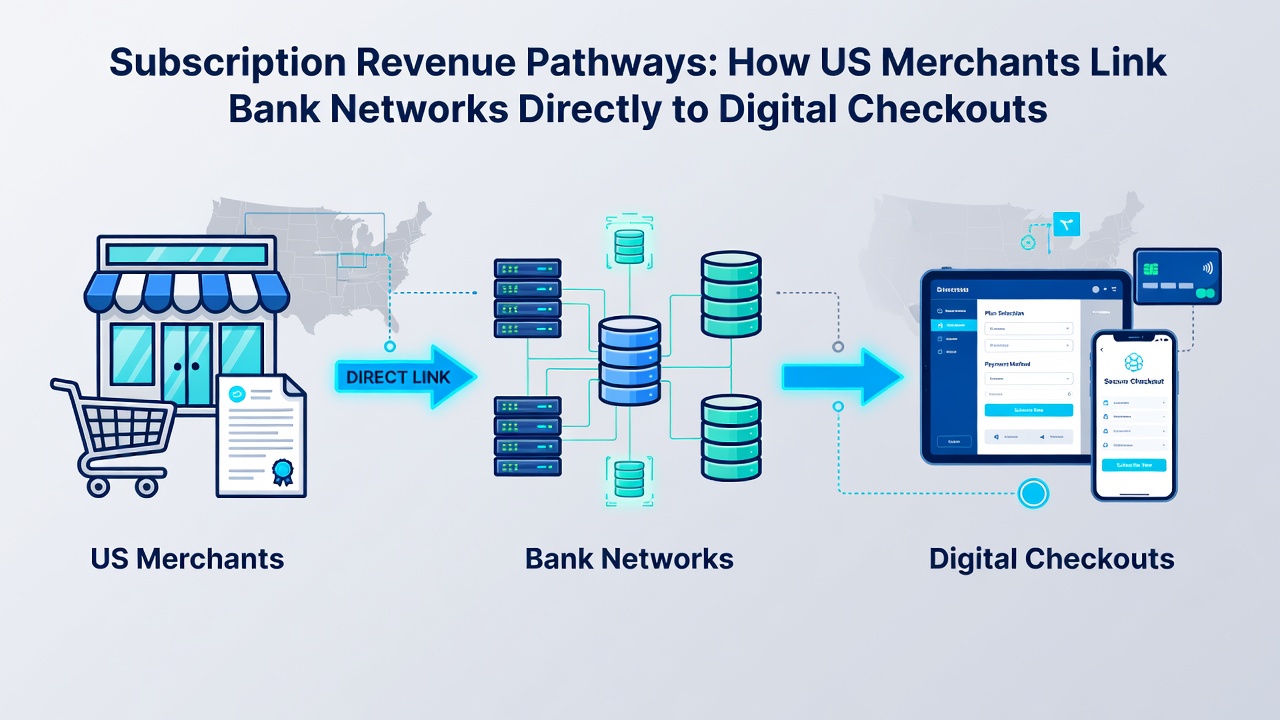
Technology Components Supporting Repeat Charges
Gateways act as intermediaries that translate checkout instructions into ACH file formats, and they incorporate fraud screening that cross-references customer data against watch lists before any batch submission occurs. Webhooks notify merchants of successful transfers or returns within hours rather than days, allowing quick responses to insufficient funds situations through retry logic that follows NACHA retry guidelines. What's interesting is how some platforms combine these bank pathways with credit card options at the same checkout screen, letting customers choose based on preference while the backend routes each selection to the appropriate network, and this flexibility has increased conversion rates in tests conducted by mid-sized retailers.
Future Adjustments and Network Evolution
Payment rail enhancements such as same-day ACH and real-time payments continue to expand, and merchants who maintain direct bank connections can route eligible transactions through faster rails when customer accounts support them. Figures from NACHA reveal same-day ACH volume grew 18 percent year-over-year through mid-2026, driven partly by subscription services seeking quicker settlement. Experts have observed that maintaining compliance documentation in digital form simplifies audits, and platforms that archive authorization records alongside transaction histories meet examiner expectations more efficiently during routine reviews.
Conclusion
US merchants continue refining direct linkages between bank networks and digital checkouts to sustain automated, compliant subscription revenue streams, and these systems rest on established ACH protocols updated with current verification and notification standards. Transaction data and regulatory guidance together shape operational choices, while technology integrations allow scaling without proportional increases in manual oversight. As network capabilities evolve, the same foundational connections support new features such as instant notifications and variable-amount handling that keep recurring billing aligned with consumer expectations and legal requirements.